
Professional Cooking Techniques for Healthy Meal Preparation
Discover comprehensive guides on mastering culinary methods, kitchen skills, and food preparation strategies that transform your approach to nutrition and wellness.
The information on this site is for educational purposes only and does not constitute medical advice. Always consult a qualified healthcare professional before making health decisions.
Explore Our Technique Library
Filter by category to find the cooking methods and meal preparation strategies that match your interests and skill level.
Fundamental Knife Skills
Master proper grip, stance, and cutting techniques including julienne, brunoise, chiffonade, and bias cuts. Learn how precise knife work accelerates meal preparation and ensures even cooking throughout your dishes.
Read ArticleAdvanced Heat Control Techniques
Understand temperature management across cooking methods: sautéing, searing, braising, steaming, and low-temperature cooking. Learn how to apply appropriate heat levels to achieve optimal texture, flavor, and nutritional retention.
Read ArticleFood Storage & Preservation Methods
Explore proper storage techniques for extending ingredient freshness: vacuum sealing, freezing protocols, refrigeration best practices, and fermentation basics. Learn how to maintain nutritional value during long-term storage.
Read ArticleWeekly Meal Preparation Systems
Develop efficient batch-cooking strategies and organization systems for preparing meals in advance. Learn time-management tactics, portion control methods, and how to create balanced meal combinations for the entire week.
Read ArticleIngredient Selection & Nutrition Fundamentals
Learn how to choose quality ingredients and understand basic nutritional composition. Discover methods for preserving vitamins and minerals during cooking, building nutritionally complete meals, and creating ingredient combinations.
Read ArticleEquipment Mastery & Kitchen Setup
Understand essential cookware, small appliances, and tools for professional meal preparation. Learn proper equipment maintenance, how to select quality tools, and how kitchen organization impacts preparation efficiency.
Read ArticleFeatured Articles & Guides
Dive deeper into professional cooking methodologies with our comprehensive editorial content covering technique demonstrations, recipe applications, and practical kitchen wisdom.
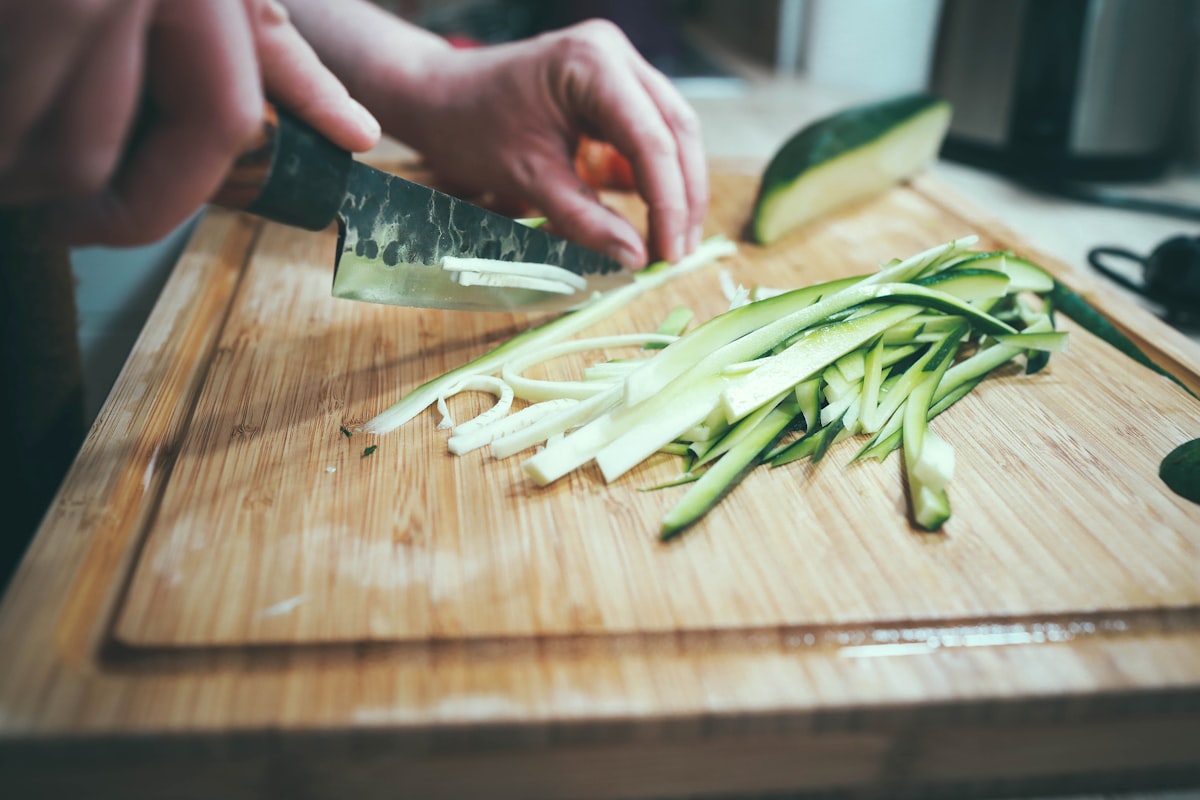
The Complete Guide to Professional Knife Techniques
Explore the fundamentals of proper cutting techniques used in professional kitchens. From understanding blade angles to mastering speed and precision, this comprehensive guide walks through each essential cut and its applications in meal preparation.
Continue Reading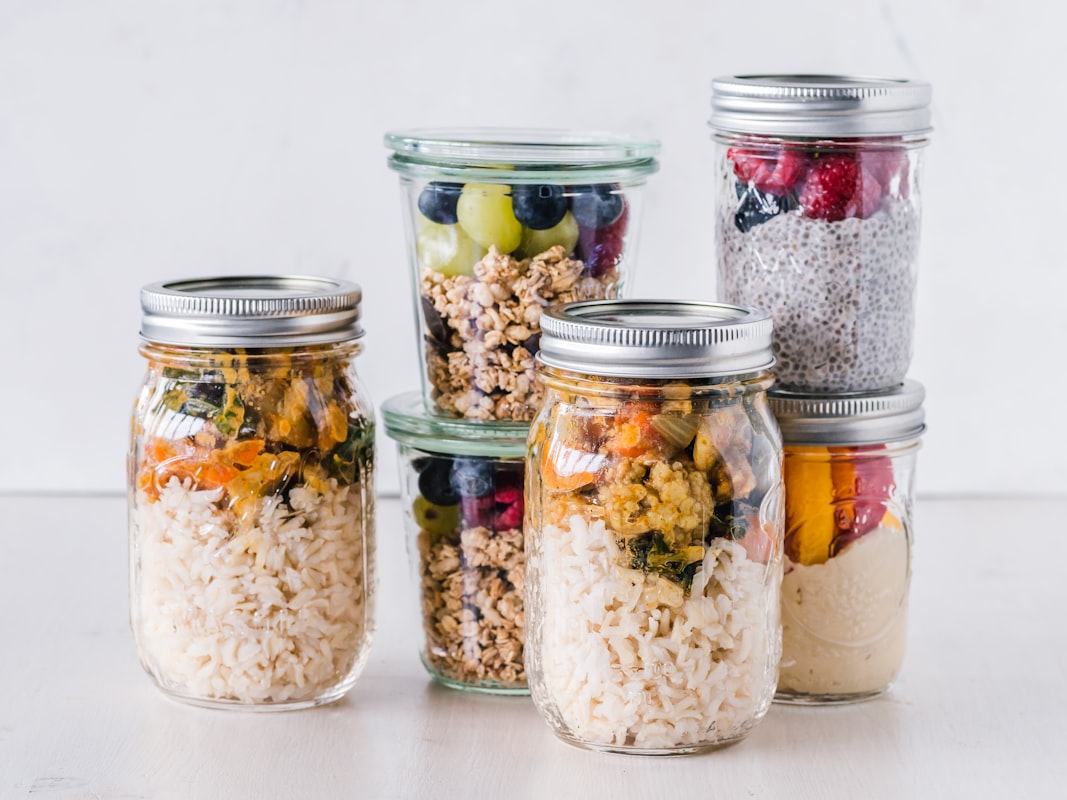
Mastering Temperature & Heat Management in Cooking
Understand how temperature affects cooking outcomes and nutrient retention. This article covers precise heat application, temperature monitoring tools, and methods for achieving consistent results across different cooking styles and ingredients.
Continue Reading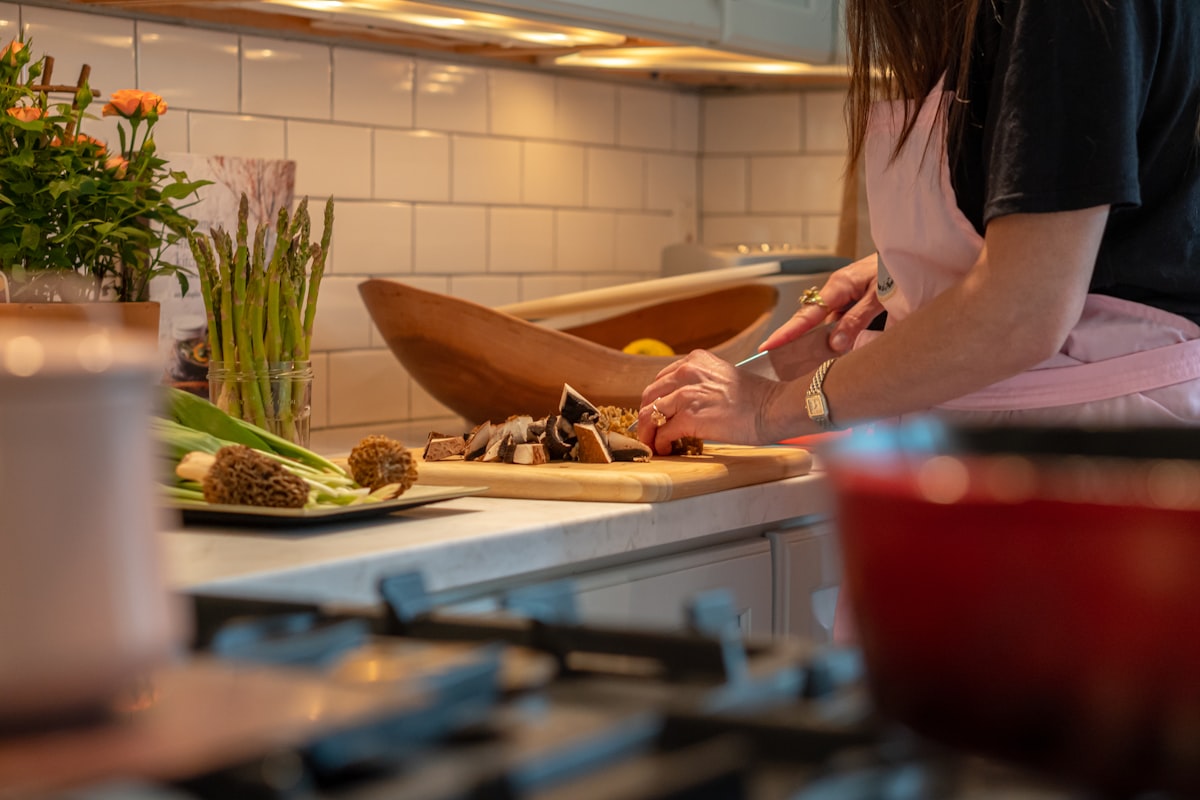
Strategic Food Storage & Preservation Techniques
Learn science-based approaches to storing prepared meals and raw ingredients for extended shelf life. Discover vacuum sealing methods, optimal freezing protocols, and how to organize your kitchen storage for maximum efficiency and ingredient accessibility.
Continue Reading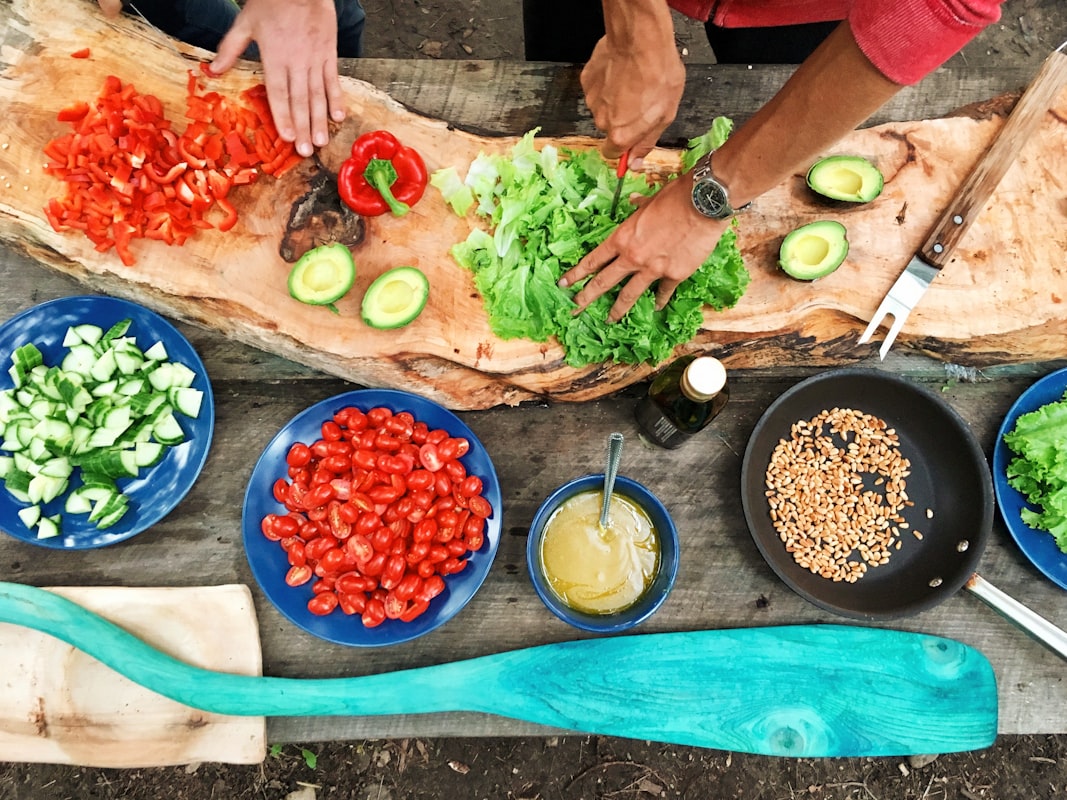
Building Your Personal Weekly Meal Prep System
Develop a sustainable approach to batch cooking and meal planning. This guide covers time optimization, kitchen workflow design, portion calculation, and practical strategies for preparing balanced meals that support your lifestyle and wellness goals.
Continue ReadingKey Technique Categories Explained
Understanding these fundamental cooking approaches will transform how you prepare healthy meals at home. Each technique serves specific purposes in creating balanced, nutritious dishes.
Knife Skills & Cutting Techniques
Professional knife work ensures consistent cooking times, even ingredient distribution, and appealing food presentation. Proper technique reduces preparation time while improving safety and ingredient quality through minimal oxidation and heat exposure.
- • Brunoise, julienne, and chiffonade cuts
- • Proper grip and body mechanics
- • Knife maintenance and safety
- • Efficiency techniques for time-saving
Heat Control & Cooking Methods
Different foods require different heat applications. Understanding sautéing, searing, braising, steaming, and low-temperature cooking allows you to extract maximum flavor while preserving nutritional value and achieving desired texture outcomes.
- • Temperature monitoring techniques
- • Pan selection for different methods
- • Maillard reaction and flavor development
- • Nutrient preservation during cooking
Food Storage & Preservation
Proper storage extends ingredient shelf life, maintains freshness, and preserves nutritional content. Learn science-backed methods for refrigeration, freezing, vacuum sealing, and fermentation that support long-term meal preparation success.
- • Vacuum sealing and freezing protocols
- • Container selection and organization
- • Proper thawing and reheating methods
- • Fermentation and preservation basics
Meal Planning & Batch Preparation
Strategic meal planning and batch cooking save time during busy weeks. Learn how to organize your kitchen workflow, calculate portions efficiently, and prepare balanced meals that maintain variety and nutritional balance throughout the week.
- • Weekly planning and ingredient selection
- • Kitchen workflow optimization
- • Portion control and measurement
- • Balanced meal composition strategies
Frequently Asked Questions
What are the most essential knife techniques for beginners?
Start with the basic claw grip (holding vegetables safely) and master the rocking motion used for herbs and garlic. These two fundamentals form the foundation for all other cuts. Once comfortable, progress to julienne and brunoise cuts which appear frequently in meal preparation. Always prioritize safety and proper posture over speed.
How can I preserve nutrients when cooking vegetables?
Use minimal water and cooking time, which helps retain water-soluble vitamins like B and C. Steaming and brief sautéing are preferable to boiling. Keep vegetables raw when possible, and when cooking, add them later in the process rather than at the beginning. Higher heat for shorter periods often preserves more nutrients than prolonged low-temperature cooking.
What's the best way to store prepared meals for the week?
Use glass containers with airtight seals to prevent contamination and maintain freshness. Store prepared meals in the coldest part of your refrigerator, typically the back of the bottom shelf. For longer storage, freezing is highly effective using vacuum-sealed bags or freezer-safe containers. Most prepared meals maintain quality for 3-4 days refrigerated or 2-3 months frozen.
How long does a typical meal prep session take?
Most people complete a full week of meal preparation in 2-4 hours depending on complexity and portion size. Developing an efficient workflow through practice reduces this time significantly. Organization is key: prep all vegetables first, then proteins, then grains. As you become more skilled with knife work and heat management, your preparation speed will naturally increase.
What equipment is essential for professional meal preparation?
Invest in a quality 8-inch chef's knife, a cutting board, sharp paring knife, and mixing bowls. A good set of storage containers, measuring tools, and a reliable cutting surface are equally important. For batch cooking, you'll want multiple pots and sheet pans. A food scale ensures consistent portions, while a vacuum sealer extends storage life considerably.
How do I know when my food is properly cooked?
Use a meat thermometer for proteins: poultry should reach 165°F (74°C), ground meat 160°F (71°C), and beef steaks 145°F (63°C) for medium-rare. For vegetables, they're done when fork-tender but still maintain some structure. Visual cues include color changes and firmness tests. Consistent doneness comes with practice and familiarity with how different foods respond to heat.
Testimonials from Our Readers
Learn how our comprehensive guides on professional cooking techniques have helped people transform their meal preparation practices.
"The knife skills section completely transformed how I prepare meals. What used to take 45 minutes now takes 20, and my cutting is so much more uniform. The safety tips prevented me from making mistakes I didn't even know I was making. This is exactly the kind of practical, detailed guidance I needed."
Maria Chen
Singapore
"I struggled with meal planning until I read the weekly preparation system guide. The workflow optimization tips and portion calculation methods are incredibly practical. I now batch cook on Sundays efficiently and have healthy meals ready throughout the week. The storage preservation article saved me from wasting food."
David Ooi
Singapore
"As someone learning to cook professionally, the heat management and temperature control sections provided knowledge I was desperately seeking. Understanding how different cooking methods affect nutrient retention and flavor development elevated my entire approach to meal preparation. Highly valuable resource."
Priya Sharma
Singapore
Continue Your Learning Journey
Explore our complete collection of articles, guides, and resources covering professional cooking techniques and healthy meal preparation strategies. Discover new methods to enhance your kitchen skills and transform your approach to nutrition.